שבועות
Shavuos
The Celebration of Receiving the Torah
ו’-ז’ סיון / May 22-23, 2026

WHAT IS SHAVUOS?
While the holiday of Shavuos is a celebration in itself — the day we Jews received the Torah on Sinai — it can be also considered a continuation of the holiday of Pesach, of Passover. Here’s how: Pesach is all about our physical redemption — we were taken out of slavery into freedom. Once free from the degradation of Egyptian bondage, our people could expand their horizons to more spiritual matters and mature to the point where they could rise above their physical needs.
Now comes Shavuos, seven weeks after leaving Egypt, when we had been purified in the desert long enough to accept the Torah. We, Jews, agreed to become the nation of G-d, taking on the ultimate redemption when a man can strive for something higher than physical desires, to be free of their constraint. That’s why our sages said, “אין לך בן חורין אלא מי שעוסק בתורה.” “There is no free person other than the one who gets busy with Torah.” When a person chooses to do the right thing, even if his body desires the wrong thing, that person is “free” from limitations.
SHAVUOS CUSTOMS
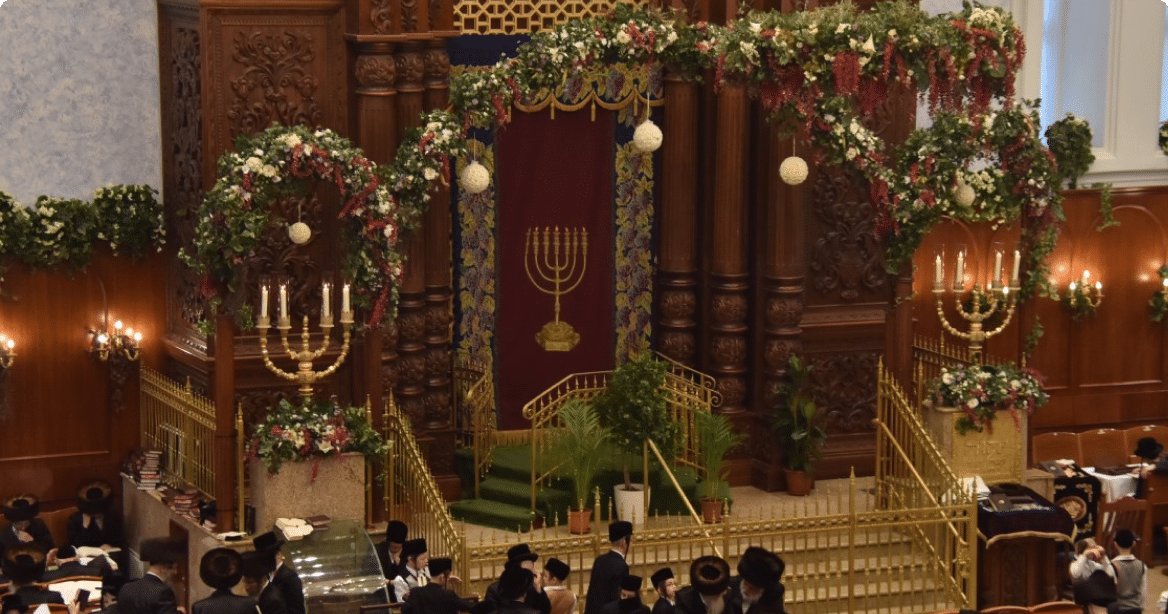
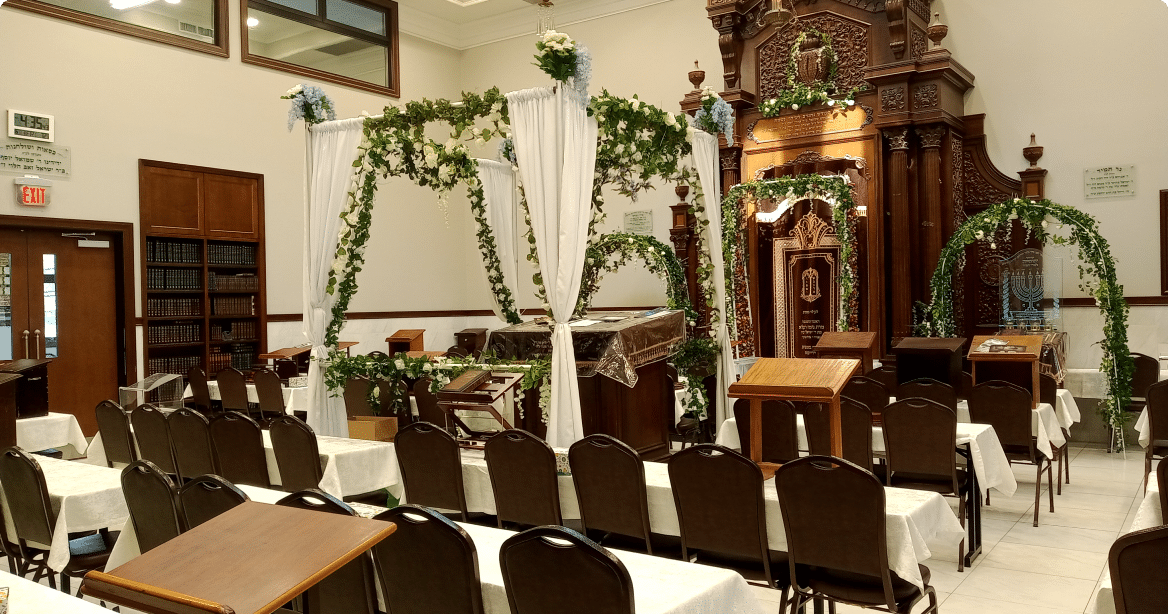
Flowers & Greenery
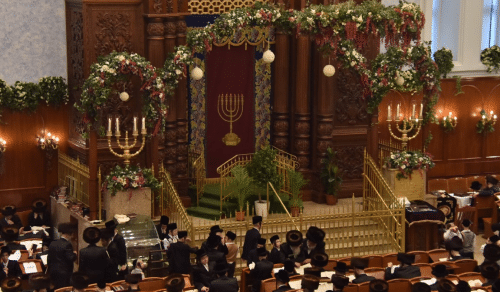
It’s a tradition to bedeck our homes and synagogues with flowers and greenery to commemorate the blossoming of flowers on Mt. Sinai on the day we received the Torah. The rose, the flower that’s so beautiful it makes the thorns worthwhile, symbolizes the Jewish nation, the “rose among thorns.” All this world’s challenges are worthwhile for the sake of a nation that accepts the Torah.
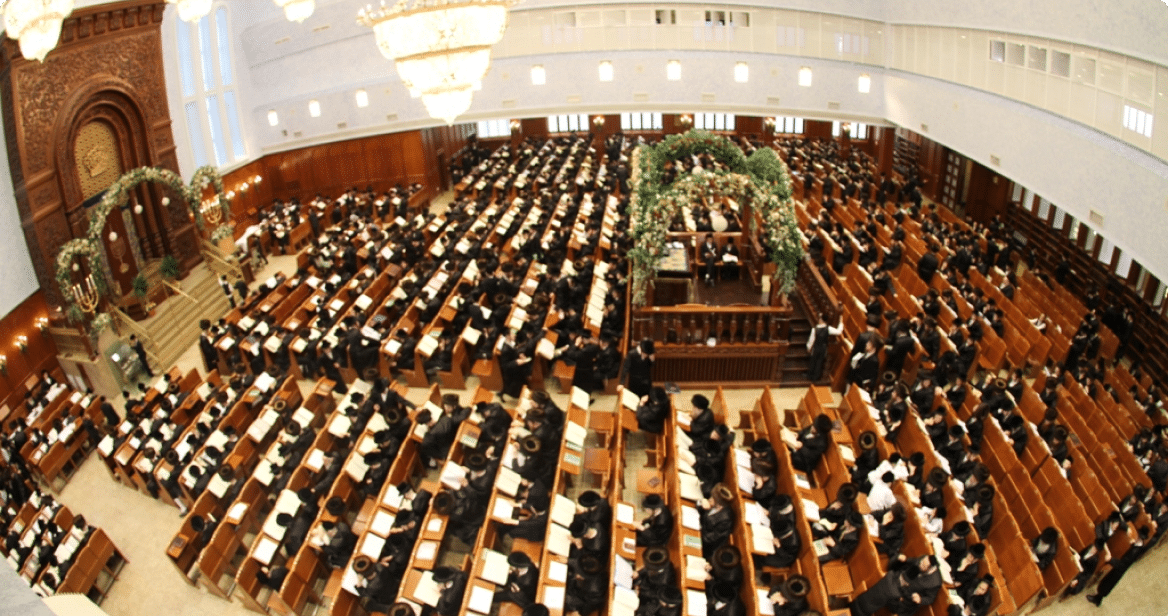
Learning all Night
In one of the biggest miscalculations of Jewish history, the people overslept the morning they were supposed to receive the Torah. To rectify that short-sight, many Jews stay up all Shavuos night, demonstrating that we now know how precious the Torah is. Spending the night learning Torah with chavrusas (learning partners) and davening vasikin at first light is a tradition.
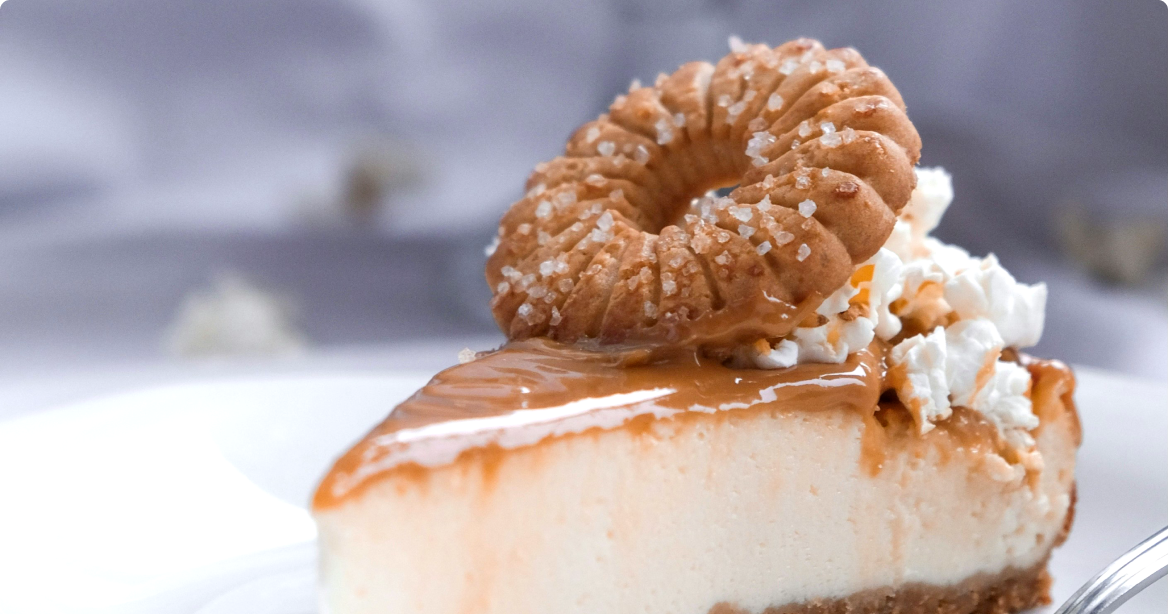
Dairy
On all other holidays, we eat a festive fish and meat meal. But on Shavuos, we eat an additional dairy meal. There are several reasons why… one is to commemorate the giving of the laws of Kashrus while we were still in the desert. Unable to Kasher our kitchens immediately and separate milk from meat, we kept kosher at first by eating only dairy. And those blintzes many indulge in on Shavuos? They’re to remind us of the Torah scroll all rolled up.
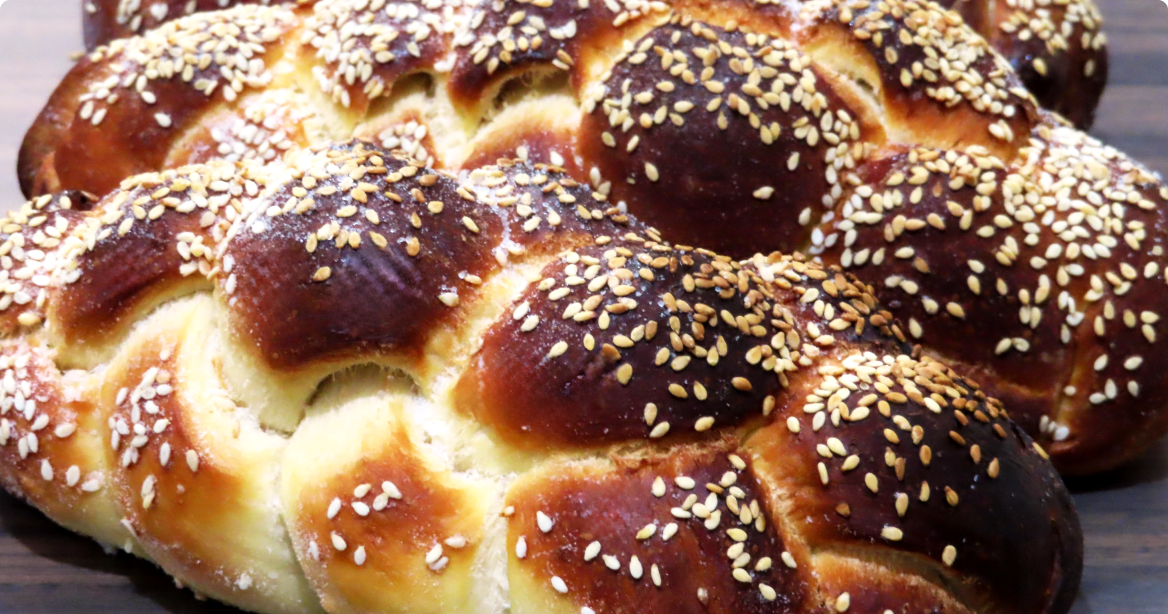
Special Foods
Many local Jewish communities developed their unique culinary traditions. In old Magencza, the women would bake special sweet challahs called “Sinai.” They would use the occasion to initiate their small children’s education (instead of the day of Upsherin, the first haircut). In old Frankfurt, they would bake a delicacy in the shape of a ladder with seven rungs to show the splitting of the seven skies at Kabbalas HaTorah.
Megillas Rus
Megillas Rus, the Scroll of Ruth, is read on Shavuos morning. One of the reasons is that Dovid HaMelech, King David, the great-grandson of Ruth, was born and died on Shavuos. This megillah maps out his lineage. Dovid HaMelech is the one king whose kingdom will continue into the times of Moshiach. The final week of counting the Omer is the last week leading up to Shavuos and is all about the sefira of Malchus, the heavenly quality of sovereignty.
Akdomus Millin
In the Ashkenazic tradition, many read the Aramaic piyut (prayer poem) Akdamos Millin, written by Rabbi Meir ben Rav Yitzchok in the 11th century, as a prelude to the Jewish wedding ceremony. The giving of the Torah at Sinai was like the giving of the Kesubah at a wedding — the Torah itself is considered the “marriage contract” between G-d and the Jewish nation. So, too, we read Akdamos Millin as a prelude to the Torah reading on Shavuos day.
SHAVUOS YIZKOR REMINDER
Yizkor is said on the Second Day of Shavuos
Thursday, June 20, 2024 / ז’ סיון תשפ’’ה
Remember to give yizkor tzedakah in the memory of your departed loved one.
Support Belz Institutions in Israel’s Torah, Outreach, and Gemillas Chassadim networks.
May the merits elevate the soul of your departed loved one.
Torah Reading on Shavuos Day
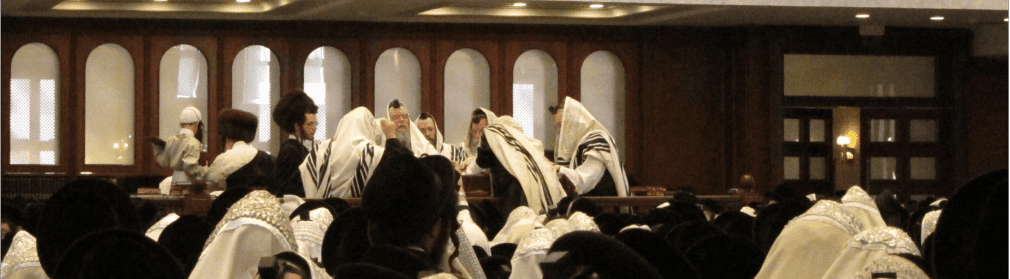
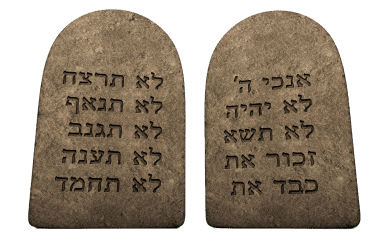
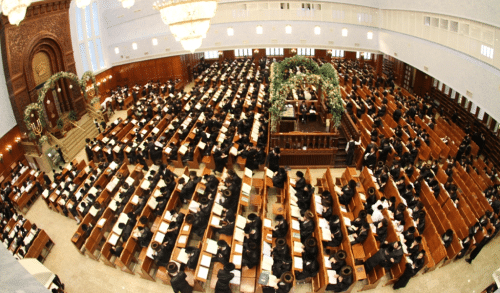
We always read the Aseres HaDibros, the Ten Commandments, in shul on Shavuos Day. The congregation stands during the reading, accepting upon ourselves the same enthusiastic commitment to accept G-d’s commandments as we did at Mt. Sinai over 3300 years ago. The one who reads the Torah portion, the Baal Koreh, chants a unique melody for Shavuos known as Ta’am Elyonim. How does he know how the tune goes? When you look at the Torah portion in a Chumash, you’ll see two sets of squiggles, some below the letters and some above. These symbols are what tell the Baal Koreh how to sing the words. Usually, the Baal Koreh follows the symbols that are below the letters. On Shavuos, however, he ignores the symbols beneath the letters and focuses on the symbols above the letters. He chants Ta’am Elyonim, the “upper” tune. This reminds us that when we accept the Torah, we are “above” this world. We rise above physicality and become higher, more spiritual than mere human beings.
The Ten Commandments
1
אָנֹכִי ה’ אֱלֹהֶיךָ אֲשֶׁר הוֹצֵאתִיךָ מֵאֶרֶץ מִצְרַיִם מִבֵּית עֲבָדִים
I am the lord your G-d who took you out of Egypt from the house of slavery.
▼
6
לֹא תִרְצַח
Don’t murder.
▼
2
לֹא יִהְיֶה לְךָ אֱלֹהִים אֲחֵרִים עַל פָּנָי, לֹא תַעֲשֶׂה לְךָ פֶסֶל וְכָל תְּמוּנָה אֲשֶׁר בַּשָּׁמַיִם מִמַּעַל וַאֲשֶׁר בָּאָרֶץ מִתָּחַת וַאֲשֶׁר בַּמַּיִם מִתַּחַת לָאָרֶץ. לֹא תִשְׁתַּחֲוֶה לָהֶם וְלֹא תָעָבְדֵם, כִּי אָנֹכִי ה’ אֱלֹהֶיךָ אֵל קַנָּא, פֹּקֵד עֲוֹן אָבֹת עַל בָּנִים עַל שִׁלֵּשִׁים וְעַל רִבֵּעִים לְשׂנְאָי, וְעֹשֶׂה חֶסֶד לַאֲלָפִים לְאֹהֲבַי וּלְשֹׁמְרֵי מִצְוֹתָי
You should not have any other gods before me. Don’t make graven images and don’t bow down to them or serve them.
▼
7
לֹא תִנְאָף
Don’t commit adultery.
▼
3
לֹא תִשָּׂא אֶת שֵׁם ה’ אֱלֹהֶיךָ לַשָּׁוְא, כִּי לֹא יְנַקֶּה ה’ אֵת אֲשֶׁר יִשָּׂא אֶת שְׁמוֹ לַשָּׁוְא
Don’t take the name of G-d in vain
▼
8
לֹא תִגְנֹב
Don’t steal (kidnap)
▼
4
זָכוֹר אֶת יוֹם הַשַּׁבָּת לְקַדְּשׁוֹ. שֵׁשֶׁת יָמִים תַּעֲבֹד וְעָשִׂיתָ כָּל מְלַאכְתֶּךָ, וְיוֹם הַשְּׁבִיעִי שַׁבָּת לַה’ אֱלֹהֶיךָ. לֹא תַעֲשֶׂה כָל מְלָאכָה אַתָּה וּבִנְךָ וּבִתֶּךָ עַבְדְּךָ וַאֲמָתְךָ וּבְהֶמְתֶּךָ וְגֵרְךָ אֲשֶׁר בִּשְׁעָרֶיךָ. כִּי שֵׁשֶׁת יָמִים עָשָׂה ה’ אֶת הַשָּׁמַיִם וְאֶת הָאָרֶץ, אֶת הַיָּם וְאֶת כָּל אֲשֶׁר בָּם, וַיָּנַח בַּיּוֹם הַשְּׁבִיעִי, עַל כֵּן בֵּרַךְ ה’ אֶת יוֹם הַשַּׁבָּת וַיְקַדְּשֵׁהוּ
Remember the day of Shabbos to sanctify it. Six weeks work and on the seventh day, it is a day for G-d and you don’t do any work, not you, your son, daughter, servants, animals or stranger who lives within your gates because G-d made the heaven and earth and all therein in six days and on the seventh he rested – therefore G-d blessed this day and sanctified it.
▼
9
לֹא תַעֲנֶה בְרֵעֲךָ עֵד שָׁקֶר
Don’t be a false witness against your peer.
▼
5
כַּבֵּד אֶת אָבִיךָ וְאֶת אִמֶּךָ לְמַעַן יַאֲרִכוּן יָמֶיךָ עַל הָאֲדָמָה אֲשֶׁר ה’ אֱלֹהֶיךָ נֹתֵן לָךְ
Honor your father and mother.
▼
10
לֹא תַחְמֹד בֵּית רֵעֶךָ. לֹא תַחְמֹד אֵשֶׁת רֵעֶךָ וְעַבְדּוֹ וַאֲמָתוֹ וְשׁוֹרוֹ וַחֲמֹרוֹ וְכֹל אֲשֶׁר לְרֵעֶךָ
Don’t covet the house of your peer, his wife, his servants, his cattle or any of his possessions.
▼

NAMES FOR THE YOM TOV OF SHAVUOS

זמן מתן תורתינו
The כלי יקר explains n why the date ו’ סיון of the Yom Tov Shavuos is not mentioned in the Torah as זמן מתן תורתינו is since Heashem didn’t want people to think that only on this day the Torah was received. A person needs to remember that he can receive the Torah every day of the year anew. “בכל יום יהיה בעינך כחדשים”

חג השבועות
The name of the Yom Tov Shavuos alludes to the word שבועה – the plural of swearing. On Shavuos, two swearings occurred. Hashem promised He wouldn’t exchange His nation for any other Nation. And the Yidden promised they wouldn’t exchange their G-d for any other.
חג הבכורים
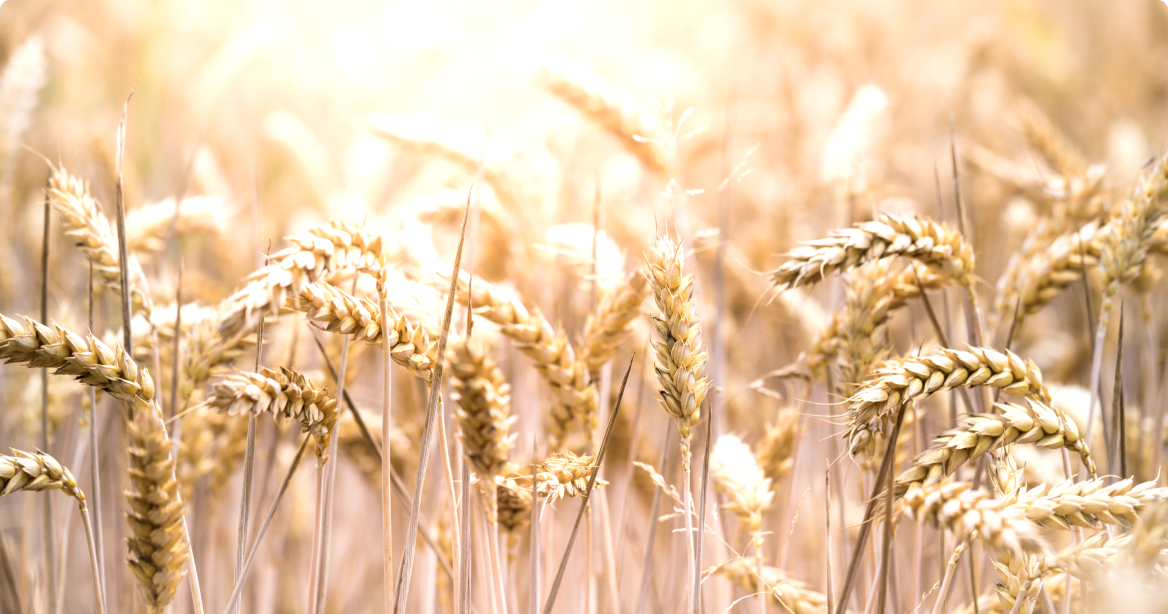
In the times of the Beis Hamikdash, one brought ביכורים – from the first ready crop of wheat or fruit as a Korban (sacrifice) known as the “שתי הלחם”. Whoever owned a field had to fulfill this mitzvah which started from Shavuos season thru Sukkos, for then, one could recite the פרשת הבכירום.
divrei torah
DIVREI TORAH

כה תאמר לבית יעקב – Koh Somar L’Bais Yaakov
The founder of the Chassidic movement, Rabbi Yisroel ben Eliezer, the Baal Shem Tov, shares the same Yahrzeit as Duvid Hamelech — the second day of Shavuos. Both men are tied to the concept of Moshiach’s arrival. King David is the first in the Davidic line from which will eventually produce and bring Moshiach, who will be king hereafter. And the Baal Shem Tov once asked Moshiach in Heaven when he would come down. Moshiach answered, “When your teachings will spread to the whole world.”
On Erev Shavuos, the Baal Shem Tov prepared for his own death. He finalized his will, ensuring his legacy. He bequeathed most of his seforim, his holy books, to one of his students who would take on the mantle of leadership after the Baal Shem Tov. However, any sefer that was in Yiddish he left to his daughter Adel.
The way he settled his affairs mirrors another aspect of Shavuos. Here’s how: We are told that when the Jewish nation accepted the Torah, the melachim, the angels, protested: they didn’t think the Torah should be given to beings of flesh and blood. Arguments went back and forth on how to ensure that these mere mortals would not bring shame to the Torah. Even the merit of our illustrious ancestors was not enough of a guarantee for the melachim. However, when the Jewish women said that they would guarantee their children would learn Torah, the melachim acquiesced. The revelation at Mount Sinai was given. That is why the Torah says (Shemos 19:3), “Koh Somar l’Bais Yaakov,” “So shall you say to the House of Yaakov.” Moshe was instructed to teach the women first (“House” refers to the women). In his will, the Baal Shem Tov also made sure to single out a woman as a recipient of his tradition. He left a legacy of learning to his daughter, not only to his male students.
It is interesting to note that the Baal Shem Tov stipulated that the holy books in Yiddish be given to his daughter. Perhaps that is why Chassidic girls’ schools do all their teaching of Torah in Yiddish to this day.
Who Keeps the Ten Commandments
Maran Reb Yissochar Dov of Belz zt’’l related a story that happened with the Rebbe R’ Mendele MiRiminov zt’’l on Shavos. The Rebbe R’ Mendele, told his shamash R’ Hersh Mesharas zt’’l to announce in Shul: “Whoever didn’t obey the ten commandments should leave the Shul!”
The Rupshitzer Rebbe zt’’l was among the shul’s congregants, and upon hearing the announcement, he left the shul. When all fellow congregants saw that the Rupshitzer Rebbe left the shul, no one dared to remain in Shul, and the Rebbe, R’ Mendele, stayed in Shul alone, without a minyan.
He called his shamesh and told him to make another announcement: “Whoever undertakes upon himself, from today and on, to obey the ten commandments – can come back inside….”

Preparing for the Chag
It says in Shulchan Aruch that a person must study the halachas (laws) about the Yom Tov Pesach thirty days before the holiday. The question is, why isn’t there such a halacha about the Yom Tov Shavuos? Since Shavuos is the time of Kabbalas HaTorah – our acceptance of the Torah; Torah must be learned every day, not just thirty days prior
Yidden Need Parnassah – Livelihood
The holy Barditchover Rav zt’’l once called out during Shavuos davening: “Ribbono Shel Olam! Chazal says “וכל מודים בעצרת דבעינן נמי לכם”- “Everyone agrees that on the Yom Tov Shavous, one has to do a gashmiyas – mundane deed, not only a ruchniyos – spiritual deed.” To obey the Torah, one must also have “לכם” since “אין קמח אין תורה” – if there isn’t bread to eat, then we can’t keep the Torah’s commandments.
The Barditchover concluded: “Therefore, Hashem, give Your children parnassah so that they should be able to learn Torah!”
כה תאמר לבית יעקב – Koh Somar L’Bais Yaakov
The founder of the Chassidic movement, Rabbi Yisroel ben Eliezer, the Baal Shem Tov, shares the same Yahrzeit as Duvid Hamelech — the second day of Shavuos. Both men are tied to the concept of Moshiach’s arrival. King David is the first in the Davidic line from which will eventually produce and bring Moshiach, who will be king hereafter. And the Baal Shem Tov once asked Moshiach in Heaven when he would come down. Moshiach answered, “When your teachings will spread to the whole world.”
On Erev Shavuos, the Baal Shem Tov prepared for his own death. He finalized his will, ensuring his legacy. He bequeathed most of his seforim, his holy books, to one of his students who would take on the mantle of leadership after the Baal Shem Tov. However, any sefer that was in Yiddish he left to his daughter Adel.
The way he settled his affairs mirrors another aspect of Shavuos. Here’s how: We are told that when the Jewish nation accepted the Torah, the melachim, the angels, protested: they didn’t think the Torah should be given to beings of flesh and blood. Arguments went back and forth on how to ensure that these mere mortals would not bring shame to the Torah. Even the merit of our illustrious ancestors was not enough of a guarantee for the melachim. However, when the Jewish women said that they would guarantee their children would learn Torah, the melachim acquiesced. The revelation at Mount Sinai was given. That is why the Torah says (Shemos 19:3), “Koh Somar l’Bais Yaakov,” “So shall you say to the House of Yaakov.” Moshe was instructed to teach the women first (“House” refers to the women). In his will, the Baal Shem Tov also made sure to single out a woman as a recipient of his tradition. He left a legacy of learning to his daughter, not only to his male students.
It is interesting to note that the Baal Shem Tov stipulated that the holy books in Yiddish be given to his daughter. Perhaps that is why Chassidic girls’ schools do all their teaching of Torah in Yiddish to this day.
Who Keeps the Ten Commandments
Maran Reb Yissochar Dov of Belz zt’’l related a story that happened with the Rebbe R’ Mendele MiRiminov zt’’l on Shavos. The Rebbe R’ Mendele, told his shamash R’ Hersh Mesharas zt’’l to announce in Shul: “Whoever didn’t obey the ten commandments should leave the Shul!”
The Rupshitzer Rebbe zt’’l was among the shul’s congregants, and upon hearing the announcement, he left the shul. When all fellow congregants saw that the Rupshitzer Rebbe left the shul, no one dared to remain in Shul, and the Rebbe, R’ Mendele, stayed in Shul alone, without a minyan.
He called his shamesh and told him to make another announcement: “Whoever undertakes upon himself, from today and on, to obey the ten commandments – can come back inside…
Preparing for the Chag
It says in Shulchan Aruch that a person must study the halachas (laws) about the Yom Tov Pesach thirty days before the holiday. The question is, why isn’t there such a halacha about the Yom Tov Shavuos? Since Shavuos is the time of Kabbalas HaTorah – our acceptance of the Torah; Torah must be learned every day, not just thirty days prior
Yidden Need Parnassah – Livelihood
The holy Barditchover Rav zt’’l once called out during Shavuos davening: “Ribbono Shel Olam! Chazal says “וכל מודים בעצרת דבעינן נמי לכם”- “Everyone agrees that on the Yom Tov Shavous, one has to do a gashmiyas – mundane deed, not only a ruchniyos – spiritual deed.” To obey the Torah, one must also have “לכם” since “אין קמח אין תורה” – if there isn’t bread to eat, then we can’t keep the Torah’s commandments.
The Barditchover concluded: “Therefore, Hashem, give Your children parnassah so that they should be able to learn Torah!”

SHAVUOS IN BELZ
The Last Sefirah

Decorating The Shul
Preparing For Kabalas HaTorah!
Chag Ha’Shavous
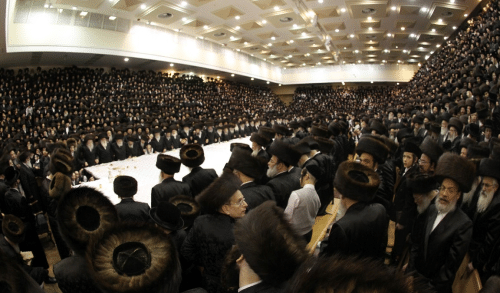
Continuing The Kedushah